That was the moment I decided enough was enough. I’d been using a two-year-old mid-ranger that struggled with basic multitasking, overheated during navigation, and barely lasted a day. When Redmi started teasing the Turbo 5 for India, I paid attention.
As someone who’s tested dozens of Xiaomi phones over the years – from the budget kings like the Note series to the more ambitious Poco and Redmi flagships – I knew this one could be special. And after digging into the details and seeing the early hands-on reports, I’m convinced it’s going to shake up the performance segment here.
Why I Got Excited About the Redmi Turbo 5
Let me be real with you. The Indian smartphone market is flooded with options promising “gaming performance” or “all-day battery,” but most fall short once you actually live with them. I’ve had phones that benchmark well but throttle hard after 20 minutes of BGMI. Or ones with huge batteries that charge so slowly you’re tethered to the wall for hours.
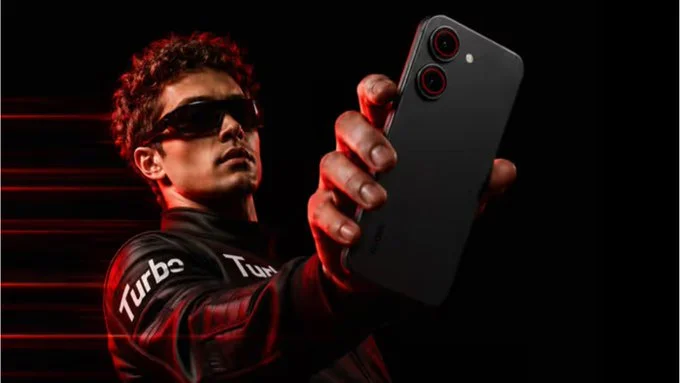
The Redmi Turbo 5 feels different. It’s the first phone in the Turbo series to officially land in India, and Redmi is positioning it as their fastest yet – aimed squarely at gamers, heavy users, and anyone tired of compromising. Launch date is set for June 16, 2026, and it’ll be available on Amazon India. That’s just a week or so from now as I write this (yeah, I’ve been tracking this closely).
I’ve followed its China launch back in January 2026, where it packed serious hardware. The India version seems to carry over most of the goodness, with some tweaks for our market.
What Makes the Turbo 5 Stand Out: My Take on the Specs
This is the headline act. AnTuTu scores crossing 2.3 million? That’s flagship territory. I’ve used phones with Dimensity chips before, and they handle multitasking and gaming smoothly, but the 8500 Ultra sounds like a big jump. It’s an octa-core beast with high clock speeds that should crush demanding apps without breaking a sweat.
In my experience, raw benchmarks don’t always translate to real life. I once had a phone that scored high but stuttered in day-to-day use because of poor optimization. Redmi has been improving HyperOS a lot lately, so I’m hopeful. Expect up to 12GB or more of LPDDR5x RAM, with virtual RAM expansion that can push it higher. Perfect for keeping dozens of apps open or running emulators.
Battery Life That Actually Delivers
My current daily driver has a 5,000mAh cell and I’m constantly hunting for chargers by evening. With the Turbo 5, I’m imagining leaving home at 7 AM, using maps, streaming music, taking calls, maybe some gaming on the way back, and still having juice left for the night. Paired with 100W fast charging, it should go from zero to full in under 30-40 minutes based on similar Redmi phones I’ve charged.
One mistake I made in the past: I bought a phone with a massive battery but slow charging. It defeated the purpose. Here, Redmi seems to have nailed both.
Display and Design
6.59-inch AMOLED panel with 120Hz refresh rate and solid resolution (around 1268 x 2756). From the teasers, it comes in clean colors like Shadow Black, Cloud White, and maybe a Light Sea Blue. Slim profile around 8.2mm and not too heavy.
I’ve always preferred flat displays for better case compatibility and screen protectors. If the colors pop and brightness is good for outdoor use (which Redmi usually gets right), this could be a winner for media consumption.
Cameras: Good Enough for Most
50MP main (Sony IMX882) + 8MP ultrawide on the back, 20MP front. Not a photography flagship, but I’ve taken solid shots on similar Redmi setups. The main sensor should handle daylight well, and low-light with some processing. For quick stories, reels, or documenting trips, it’ll do the job without fuss.
I once chased megapixels and ended up with a phone that took noisy photos. Software tuning matters more, and HyperOS has decent camera features these days.
Other Bits
– Android 16 with HyperOS 3 out of the box.
– Stereo speakers, in-display fingerprint, IR blaster (super handy for controlling ACs and TVs).
– 256GB/512GB storage options, no microSD probably.
How It Fits in the Indian Market
Right now, the performance segment is dominated by iQOO, Realme, and Poco. Phones like the iQOO series offer great value but sometimes feel gimmicky. The Turbo 5 looks like it’s going after the same crowd but with a bigger battery edge and that insane chipset.
Expected pricing? Around ₹29,999 to ₹34,999 for the base 12GB + 256GB variant. That’s competitive. I’ve seen early leaks suggesting it could start near 28-30k, which would make it a steal.
My Hands-On Expectations and Tips for Buyers
Since I haven’t received a review unit yet (fingers crossed for one soon), here’s what I’d do if I were buying on launch day:
1. Check the Sale Details: Set a reminder for June 16. Amazon usually has early access or bank offers. Combine with exchange if your old phone is decent – I’ve saved 5-7k this way before.
2. Decide on Variant: Go for at least 12GB RAM + 256GB. The extra storage helps with games and offline media.
3. Real-World Testing Plan: Once I get it, first thing I’ll do is run it through a full day: Waze navigation, YouTube, Instagram, and a couple hours of Genshin or COD. Then test charging speed and heat management.
4. Common Mistakes to Avoid:
– Don’t ignore software updates. Xiaomi improves a lot post-launch.
– Skip cheap screen protectors – get a good tempered glass for that AMOLED.
– If you’re a heavy gamer, use the built-in Game Turbo mode (or whatever they call it now) and maybe a cooling case for long sessions.
– Battery optimization: Turn off always-on display if you don’t need it, and manage background apps.
One lesson from past Redmi phones: Bloatware can be annoying at first. Use the built-in cleaner and disable unnecessary apps. After a week, it usually feels clean.
Who Should Buy It?
– Gamers tired of mid-range lag.
– Commuters and travelers who need all-day battery.
– Power users who juggle work, social media, and entertainment.
– Anyone upgrading from a 2-3 year old phone wanting noticeable improvement without spending 50k+.
If you’re into photography or need wireless charging, look elsewhere. This is a performance and endurance monster.
Potential Downsides (Keeping It Real)
No phone is perfect. Possible issues based on similar models:
– Software might have some Xiaomi-typical ads or suggestions initially (easy to turn off).
– Camera might not compete with Pixel or Vivo in tough lighting.
– Build quality is good plastic/metal mix, but not as premium as glass-back flagships.
– Availability: Popular variants might sell out fast on launch day.
I’ve faced stock issues with Redmi launches before – set alerts and be ready.
Final Thoughts from Someone Who’s Been There
The Redmi Turbo 5 feels like the phone I wish existed when my last one started lagging. It’s not trying to be everything to everyone – it’s laser-focused on raw speed and battery life, which is exactly what most of us need daily.
June 16 is going to be interesting. I’ll be watching the live stream (or refreshing Amazon) and planning to pick one up. If you’re in the market for a capable daily driver that won’t quit on you, this could be it.
Have you been waiting for this launch too? Drop your questions in the comments – what spec matters most to you? I’ll try to test those aspects in my full review once I get the phone in hand. Until then, stay charged, friends. Your next upgrade might just be worth the wait.